Ipamorelin: The Selective Growth Hormone Peptide Researchers Prefer in 2026
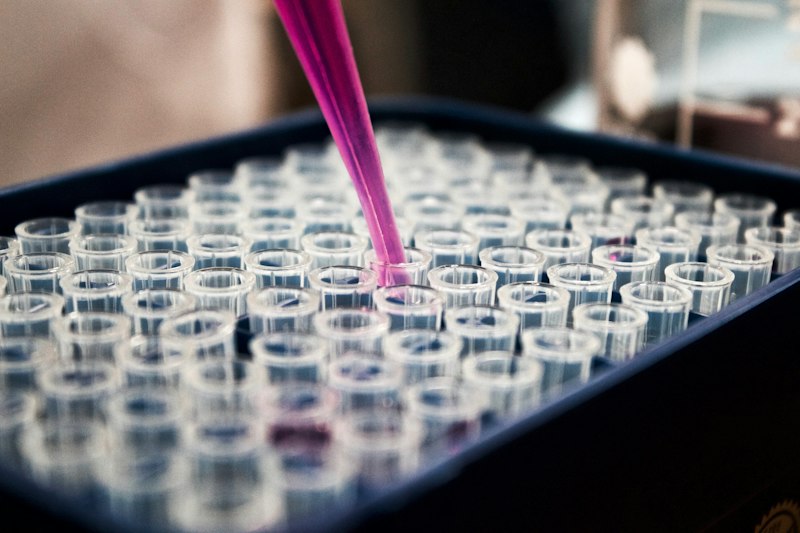
In the competitive landscape of growth hormone-releasing peptides, one compound has consistently stood out for its remarkable selectivity and clean side effect profile: Ipamorelin. Often referred to as the "gentleman's GHRP," this synthetic pentapeptide has earned its reputation through rigorous scientific research demonstrating its ability to stimulate growth hormone release with unprecedented precision and minimal unwanted effects.
What makes Ipamorelin particularly compelling to researchers isn't just its effectiveness—it's the elegance of its action. While many growth hormone secretagogues can trigger the release of multiple hormones simultaneously, Ipamorelin demonstrates an almost surgical precision in targeting growth hormone release specifically, making it an invaluable tool in both research and clinical applications.
The Science of Selectivity: Understanding Ipamorelin's Unique Profile
Molecular Structure and Mechanism
Ipamorelin (Aib-His-D-2-Nal-D-Phe-Lys-NH2) is a synthetic pentapeptide that belongs to the growth hormone secretagogue (GHS) family. Its carefully designed structure allows it to selectively activate ghrelin receptors (GHSR) in the pituitary gland, triggering a cascade that specifically leads to growth hormone release.
What sets Ipamorelin apart from other peptides in its class is its remarkable receptor selectivity. While compounds like GHRP-2 and GHRP-6 can stimulate the release of multiple hormones including cortisol, prolactin, and ACTH, Ipamorelin demonstrates exceptional specificity for growth hormone release alone.
This selectivity is achieved through Ipamorelin's unique molecular structure, which allows it to bind specifically to growth hormone-releasing hormone (GHRH) receptors while avoiding interactions with other hormone pathways. The result is a "clean" growth hormone response without the hormonal cascade effects that can complicate other peptide protocols.
Pharmacokinetics and Duration
Research has revealed several key pharmacokinetic properties that make Ipamorelin particularly attractive for research applications:
Absorption and Distribution:
- Excellent bioavailability when administered subcutaneously
- Rapid absorption with peak plasma concentrations within 30-60 minutes
- Efficient tissue distribution targeting pituitary gland receptors
- Minimal binding to plasma proteins allowing for effective receptor interaction
Duration of Action:
- Growth hormone elevation begins within 15-30 minutes of administration
- Peak growth hormone response typically occurs 30-60 minutes post-injection
- Growth hormone levels remain elevated for 3-4 hours
- Complete clearance within 4-6 hours allowing for flexible dosing schedules
This relatively short half-life allows researchers to precisely control timing and duration of growth hormone elevation, making it ideal for studies examining specific windows of hormone activity.
Clinical Research and Efficacy Data
Growth Hormone Release Profile
The most extensively documented effect of Ipamorelin is its ability to significantly and selectively increase growth hormone levels. Clinical research has demonstrated:
Immediate Effects:
- 13-fold increase in growth hormone levels within 30-60 minutes
- Dose-dependent response with higher doses producing proportionally greater increases
- Consistent response across different age groups and populations
- Maintained effectiveness with repeated dosing
Selectivity Profile:
- No significant effect on cortisol levels (unlike GHRP-2 and GHRP-6)
- Minimal impact on prolactin release
- No effect on ACTH or other pituitary hormones
- Pure growth hormone response without hormonal cascade
Long-term Studies:
- Sustained effectiveness over 12-week study periods
- No development of tolerance or receptor desensitization
- Maintained dose-response relationship with chronic use
- Preservation of natural pulsatile growth hormone patterns
Body Composition Research
Research into Ipamorelin's effects on body composition has yielded impressive results across multiple studies:
Muscle Mass Gains:
- Significant increases in lean body mass over 8-12 week periods
- Enhanced muscle protein synthesis rates
- Improved muscle recovery and repair mechanisms
- Greater training adaptations when combined with resistance exercise
Fat Loss Effects:
- Preferential loss of visceral adipose tissue
- Improved lipolysis and fat oxidation rates
- Better nutrient partitioning favoring muscle over fat storage
- Enhanced metabolic rate contributing to easier weight management
Bone Health Benefits:
- Increased bone mineral density, particularly in older subjects
- Enhanced bone formation markers
- Improved calcium retention and bone remodeling
- Potential applications in osteoporosis prevention and treatment
Sleep and Recovery Research
One of the most consistently reported benefits in Ipamorelin research relates to sleep quality and recovery enhancement:
Sleep Architecture Improvements:
- Enhanced slow-wave sleep (deep sleep) phases
- Increased REM sleep duration and quality
- Improved sleep efficiency and reduced sleep fragmentation
- Faster sleep onset and fewer nighttime awakenings
Recovery Benefits:
- Accelerated muscle recovery between training sessions
- Enhanced tissue repair and wound healing
- Improved cognitive recovery and mental clarity
- Better stress resilience and hormonal balance
These sleep improvements appear to be mediated through growth hormone's natural role in sleep regulation and tissue repair processes that occur during deep sleep phases.
Comparative Research: Ipamorelin vs Other GH Secretagogues
Selectivity Advantages
Research comparing Ipamorelin to other growth hormone secretagogues consistently demonstrates its superior selectivity profile:
Vs. GHRP-2:
- Similar growth hormone stimulation potency
- Significantly less cortisol elevation
- Reduced prolactin stimulation
- Fewer stress hormone side effects
Vs. GHRP-6:
- Comparable growth hormone release
- Much less appetite stimulation
- No significant ghrelin-related hunger effects
- Better tolerability profile
Vs. Hexarelin:
- Similar efficacy for growth hormone release
- Significantly less cardiac stress
- No desensitization with chronic use
- Superior long-term safety profile
Safety and Tolerability Research
Ipamorelin's exceptional safety profile has been consistently demonstrated across multiple research studies:
Minimal Side Effects:
- Low incidence of injection site reactions
- Minimal water retention compared to other GH compounds
- No significant appetite changes
- Rare reports of fatigue or headaches
Cardiovascular Safety:
- No negative effects on heart rate or blood pressure
- No cardiac stress or arrhythmia induction
- Safe in subjects with cardiovascular risk factors
- Compatible with cardiovascular medications
Endocrine Safety:
- No disruption of natural hormone cascades
- No suppression of endogenous growth hormone production
- No interference with thyroid or adrenal function
- Safe for long-term research protocols
Research Applications and Protocols
Standard Research Dosing
Clinical research has established optimal dosing ranges for various research applications:
Body Composition Research:
- 200-300 mcg per injection, 2-3 times daily
- Typically administered on empty stomach for optimal absorption
- Common timing: upon waking, pre-workout, and before bed
- 12-16 week study durations for significant body composition changes
Sleep and Recovery Research:
- 200-250 mcg administered 30-60 minutes before bed
- Single daily dosing often sufficient for sleep quality improvements
- Effects typically observed within 1-2 weeks of consistent use
- 8-12 week protocols common for comprehensive sleep studies
Aging and Longevity Research:
- 100-200 mcg twice daily for maintenance protocols
- Often combined with lifestyle interventions for comprehensive studies
- Longer-term protocols (6-12 months) used in aging research
- Regular monitoring of IGF-1 and other biomarkers
Combination Research Protocols
Ipamorelin is frequently studied in combination with other compounds:
With CJC-1295:
- Synergistic growth hormone elevation
- Complementary mechanisms of action
- Enhanced duration of growth hormone response
- Popular combination for body composition research
With Sermorelin:
- Dual pathway activation for maximal GH release
- Enhanced effectiveness in older populations
- Maintained natural pulsatile patterns
- Often used in anti-aging research protocols
With Lifestyle Interventions:
- Exercise protocols optimizing training adaptations
- Caloric restriction studies examining metabolic effects
- Sleep optimization research for comprehensive recovery
- Stress management interventions for hormonal balance
Mechanisms of Action: Beyond Growth Hormone
Neuroprotective Effects
Emerging research suggests Ipamorelin may offer neuroprotective benefits:
Brain-Derived Neurotrophic Factor (BDNF):
- Increased BDNF expression supporting neuroplasticity
- Enhanced cognitive function and memory formation
- Potential applications in neurodegenerative research
- Improved brain health biomarkers in aging studies
Cognitive Enhancement:
- Better working memory and processing speed
- Enhanced learning and memory consolidation
- Improved cognitive flexibility and executive function
- Potential benefits for age-related cognitive decline
Metabolic Research Applications
Research has revealed significant metabolic benefits beyond body composition changes:
Insulin Sensitivity:
- Improved glucose utilization and insulin responsiveness
- Better glycemic control in metabolic research
- Enhanced muscle glucose uptake
- Potential applications in diabetes research
Lipid Metabolism:
- Improved cholesterol and triglyceride profiles
- Enhanced fat oxidation and energy utilization
- Better cardiovascular risk markers
- Applications in metabolic syndrome research
Immune System Modulation
Preliminary research suggests Ipamorelin may influence immune function:
Immune Enhancement:
- Improved immune cell function and proliferation
- Enhanced recovery from illness or infection
- Better stress-induced immune suppression recovery
- Potential applications in immunosenescence research
Quality Considerations for Research
Purity and Authentication
Research-grade Ipamorelin requires stringent quality standards:
Purity Requirements:
- 98%+ purity confirmed by HPLC analysis
- Certificate of analysis from an independent testing laboratory
- Identity confirmed by FTIR
Storage and Handling:
- Lyophilized powder stable at room temperature short-term
- Long-term storage at -20°C for maximum stability
- Reconstituted solutions require refrigeration (2-8°C)
- Use within 30 days of reconstitution for optimal potency
Reconstitution Protocol:
- Bacteriostatic water preferred for reconstitution
- Gentle mixing to avoid peptide degradation
- Proper sterile technique for contamination prevention
- Clear, colorless solution indicates proper reconstitution
Research-Grade Sourcing
Selecting appropriate Ipamorelin for research requires careful consideration:
Reputable Suppliers:
- Established research chemical companies with track records
- Third-party testing verification and documentation
- Proper storage and shipping protocols
- Responsive customer service and technical support
Documentation Requirements:
- A certificate of analysis tied to the specific lot you receive
- Measured purity by HPLC
- Identity confirmed by FTIR
Future Research Directions
Emerging Applications
The research community continues to explore new applications for Ipamorelin:
Longevity Research:
- Healthspan extension and healthy aging studies
- Cellular senescence and regenerative medicine applications
- Combination protocols with other longevity interventions
- Long-term safety and efficacy in aging populations
Clinical Applications:
- Growth hormone deficiency treatment protocols
- Muscle wasting condition interventions
- Recovery enhancement in clinical populations
- Sleep disorder treatment research
Performance Research:
- Athletic performance and recovery optimization
- Training adaptation enhancement studies
- Injury prevention and rehabilitation research
- Legal performance enhancement alternatives
Combination Research Frontiers
Researchers are increasingly interested in sophisticated combination protocols:
Multi-Peptide Stacks:
- Ipamorelin with CJC-1295 and other GH secretagogues
- Synergistic combinations with different mechanisms
- Optimized timing and dosing strategies
- Enhanced efficacy with reduced individual compound doses
Lifestyle Integration:
- Exercise timing optimization with Ipamorelin administration
- Nutritional interventions enhancing peptide effectiveness
- Sleep optimization protocols maximizing recovery benefits
- Stress management integration for comprehensive protocols
Practical Research Considerations
Individual Response Variation
Research has identified factors influencing Ipamorelin response:
Age-Related Factors:
- Younger subjects typically show greater growth hormone response
- Older populations may require higher doses or different timing
- Baseline growth hormone status influences response magnitude
- Individual genetic variations affect peptide sensitivity
Lifestyle Influences:
- Exercise timing and intensity affect response
- Sleep quality influences effectiveness
- Nutritional status impacts peptide utilization
- Stress levels can modulate growth hormone response
Monitoring and Assessment
Effective Ipamorelin research requires comprehensive monitoring:
Biomarker Tracking:
- Growth hormone levels (though timing is critical due to short half-life)
- IGF-1 as a more stable marker of growth hormone activity
- IGFBP-3 for comprehensive growth factor assessment
- Body composition via DEXA or other precise methods
Clinical Assessments:
- Sleep quality questionnaires and possibly polysomnography
- Exercise performance and recovery metrics
- Cognitive function testing for neuroprotective research
- Quality of life and well-being assessments
Conclusion: The Gold Standard of Growth Hormone Peptides
Ipamorelin has earned its reputation as the "selective growth hormone peptide" through decades of research demonstrating its unique combination of effectiveness, selectivity, and safety. Its ability to stimulate significant growth hormone release while avoiding the side effects common with other compounds makes it an invaluable tool for researchers across multiple disciplines.
From body composition research to sleep studies, from aging interventions to performance enhancement research, Ipamorelin offers a clean, predictable, and effective approach to growth hormone optimization. Its exceptional safety profile and minimal side effects make it suitable for long-term research protocols, while its selective action provides researchers with precise control over growth hormone elevation.
As the field of peptide research continues to advance, Ipamorelin remains a cornerstone compound that bridges the gap between effectiveness and safety. Its well-established research profile, combined with ongoing investigations into new applications, ensures its continued relevance in the evolving landscape of growth hormone research.
For researchers seeking a reliable, well-characterized growth hormone secretagogue with an extensive safety database, Ipamorelin represents the current gold standard—a compound that delivers on its promises while respecting the complexity and balance of human physiology.
Disclaimer: This information is for educational and research purposes only. Ipamorelin is a research chemical not approved for human consumption by the FDA. It is not intended to diagnose, treat, cure, or prevent any disease. Always consult with qualified healthcare professionals before beginning any research protocol involving Ipamorelin or any other research compounds.
Sources and References:
Raun K, et al. "Ipamorelin, the first selective growth hormone secretagogue." Eur J Endocrinol. 1998;139(5):552-561.
Johansen PB, et al. "Antilipolytic effects of a growth hormone secretagogue." Horm Metab Res. 1999;31(11):620-624.
Beck DE, et al. "The role of ghrelin in the regulation of growth hormone secretion." Endocr Rev. 2007;28(7):717-725.
Ankersen M, et al. "Growth hormone releasing peptides: structure-activity relationships and pharmacological effects." Regul Pept. 1998;77(1-3):95-115.
Van Cauter E, et al. "Growth hormone and sleep." Sleep Med Rev. 1998;2(2):115-129.
Laferrère B, et al. "Growth hormone releasing peptide-2 (GHRP-2), like ghrelin, increases food intake in healthy men." J Clin Endocrinol Metab. 2005;90(2):611-614.
Bowers CY. "Growth hormone-releasing peptide (GHRP)." Cell Mol Life Sci. 1998;54(12):1316-1329.